Perfecting Your Pitch: The Ideal Length for a Stellar Cover Letter


In today's competitive job market, a well-crafted cover letter can be the key to landing an interview. Job applicants often grapple with the question of how long their cover letter should be, striving to strike the right balance between providing enough information and maintaining the reader's interest. A concise, focused letter can demonstrate your professionalism, while an overly lengthy document may overwhelm hiring managers, leading to missed opportunities.
Understanding the ideal length for a cover letter is essential to make a memorable first impression. The goal is to convey your qualifications and enthusiasm without losing the reader’s attention. This article will explore the best practices for crafting a cover letter that showcases your skills and aligns with the expectations of potential employers, ensuring that your message stands out for all the right reasons.
Understanding Cover Letter Length
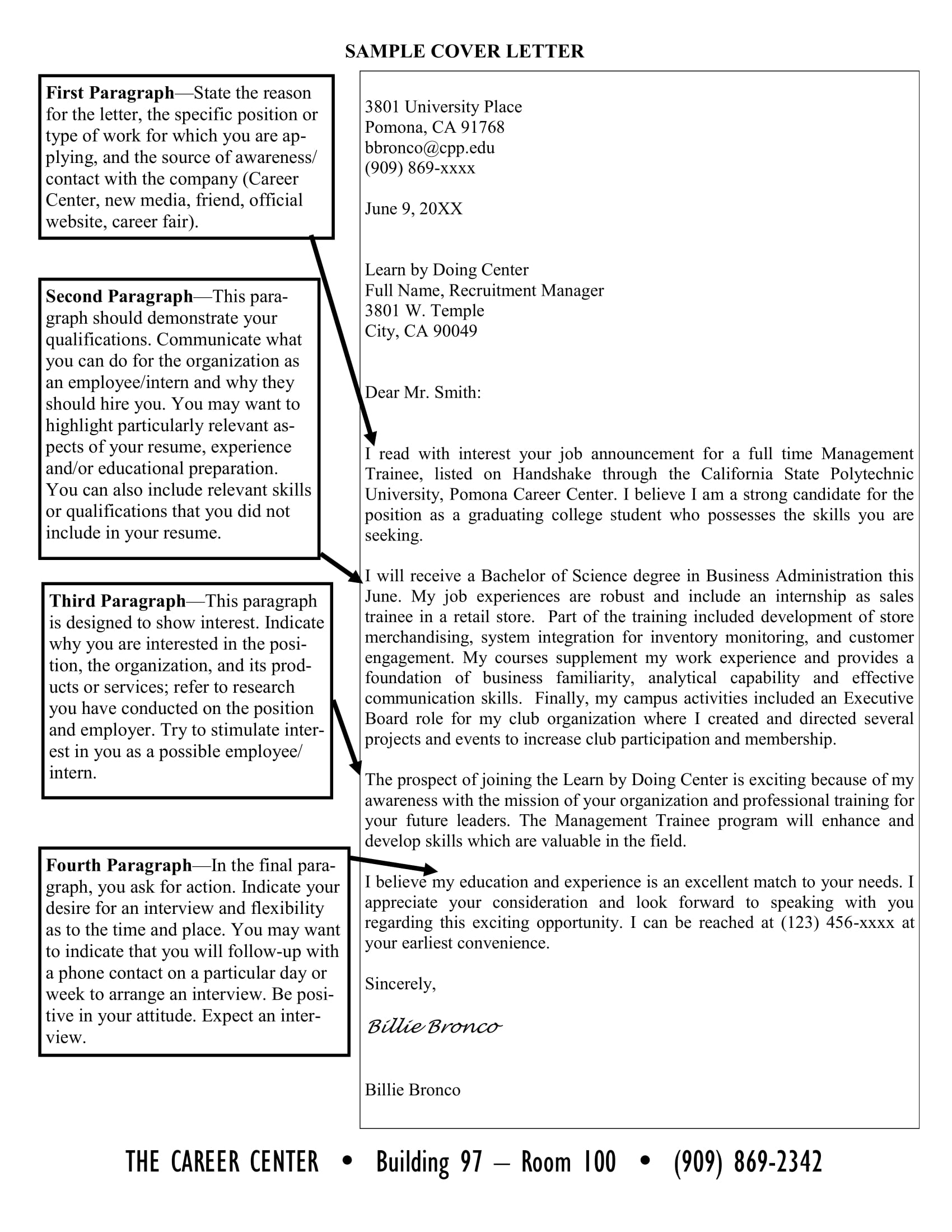
When crafting a cover letter, it's essential to strike the right balance between being concise and providing enough detail to showcase your qualifications. Generally, a cover letter should be no longer than one page. This length allows you to convey your main points without overwhelming the reader, who is often short on time. A compact yet informative cover letter is more likely to capture attention and maintain interest.
To ensure your cover letter remains effective, focus on including the most relevant information. This typically includes a brief introduction, a discussion of your key skills and experiences, and a conclusion that highlights your enthusiasm for the position. Aim for three to four short paragraphs that clearly articulate your value to the employer. This format encourages clarity and keeps the content engaging without becoming repetitive.
Lastly, it's important to consider the specific requirements of the job you are applying for. Some industries may expect more detailed cover letters, while others may prioritize brevity. Researching the company culture can provide valuable insight into what they prefer in a cover letter. Tailoring your letter to match these expectations can significantly enhance its impact and effectiveness in the job application process.
Tips for Concise Writing
To create a cover letter that captures attention, focus on clarity and precision. Begin by clearly stating your purpose in the opening lines. Avoid unnecessary introductions and get straight to the point. This approach not only respects the time of the reader but also sets a professional tone for your letter.
Next, utilize active voice and strong verbs to convey your accomplishments and skills effectively. Instead of saying "I am responsible for managing projects," say "I managed projects that led to a 20 percent increase in efficiency." Such direct statements showcase your contributions more powerfully and keep your writing tight and engaging.
Lastly, make every word count by eliminating filler phrases. Phrases like "I would like to" or "In my opinion" can make your writing sound less confident and take up valuable space. Instead, express your qualifications and enthusiasm directly. Aim for a cover letter that is clear, impactful, and respects the reader's time.
The Impact of Length on Hiring
The length of a cover letter can significantly influence a hiring manager's impression of a candidate. A concise, focused letter is more likely to capture attention and convey essential information effectively. Employers often review numerous applications, and a cover letter that is too lengthy can lead to disinterest or the perception that the applicant cannot communicate clearly. Striking how long should a cover letter be ensures that your message is heard without overwhelming the reader.
In addition, the length of a cover letter can reflect a candidate's understanding of the position and company culture. A well-crafted letter that adheres to the ideal length demonstrates respect for the hiring manager's time and showcases professionalism. Conversely, an overly long cover letter may suggest a lack of clarity regarding the relevant experiences and skills necessary for the role. This can ultimately work against a candidate's chance of making a strong impression.
Finally, the impact of length on hiring extends beyond just the cover letter itself. It serves as an indicator of a candidate's ability to communicate effectively and prioritize information. Hiring managers often look for individuals who can articulate their thoughts succinctly, making the right length of a cover letter a critical factor in evaluating potential fits for their teams. A letter that is well-aligned with the expectations of length demonstrates the candidate's capacity to engage and inform.